IN Malaysia
Carbon tax incoming
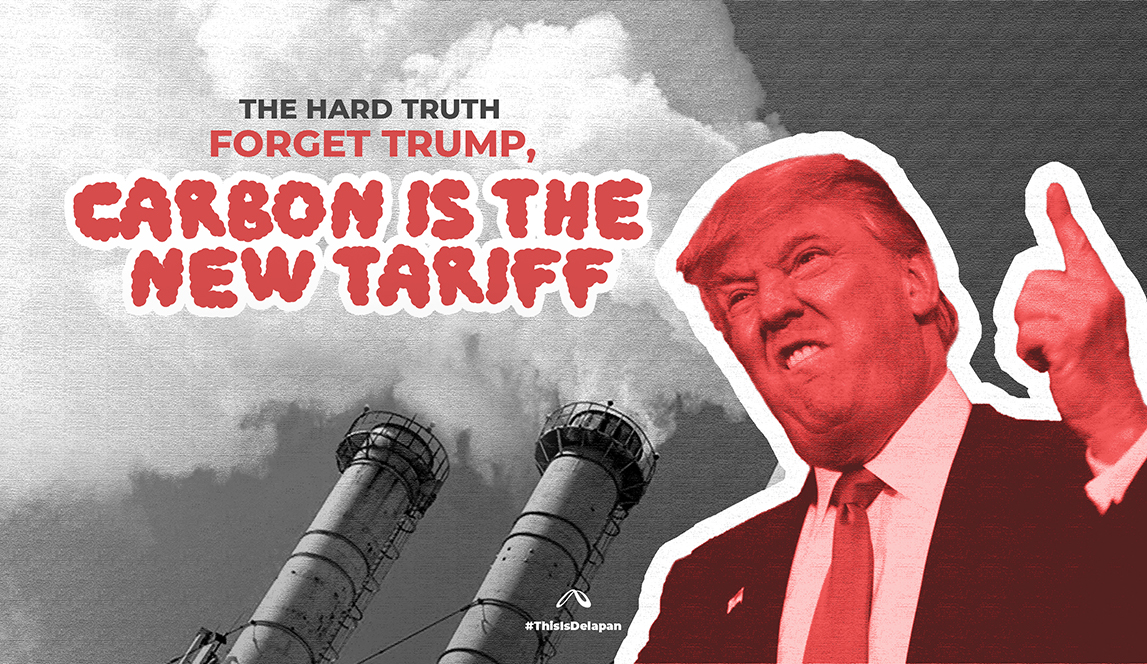
The Ministry of Natural Resources and Environmental Sustainability (NRES) stated that the implementation of the carbon pricing mechanism is coming soon, as the National Climate Change Bill will introduce the enabler for the carbon tax, which is the monitoring, reporting and verification (MRV) system. The MRV system will act as a calculator that ensures carbon pricing is based on actual emissions data. Putrajaya will implement a carbon tax starting in 2026 with an initial focus on the energy, iron and steel sectors. So, is the carbon tax the only thing Putrajaya is pursuing? The short answer is no. The Bill also provides the legal basis for the Emissions Trading Scheme (ETS), ONLY once the MRV system and the domestic carbon market ecosystem mature. ETS is a ‘cap-and-trade’ system in which emissions limits (caps) are set for high-polluting sectors. Companies that emit less can sell their excess allowances to those who exceed the cap, placing a price on carbon pollution. FYI, Tenaga Nasional Berhad (TNB) is our largest carbon emitter. We are not against decarbonising, but we suggest the carbon tax should start to be charged apabila TNB dah clean up its house, or at least generate 50% of its energy from renewables.
Business news
The glove sector’s light at the end of the tunnel is near
According to BIMB Research, it signalled that the domestic glove industry is returning to a trend of normalcy as the global transitioned from years of inventory destocking. US customers start to increase orders, evidently, due to the increase in lead times of glove producers from 30 days to 60 days. While the continued tariff advantage over Chinese glove producers continues to be the ‘tow’ that pushes the local producers, however, increased oil prices may be the Myvi that keeps lane hogging the fast lane and impedes the growth of local manufacturers. BIMB recommends a ‘trading buy’ for Hartalega, with a target of 96 sen.
IJM board recommends its shareholders not to accept Sunway’s bid
Supported by a report by its independent advisor, M&A Securities, IJM Corp’s board has urged its shareholders to snub a RM11 bil takeover bid by Sunway, as the former deemed the latter’s offer as ‘not fair and not reasonable’. As per M&A Securities, Sunway’s RM3.15 per share represents a discount between 46.1% and 51.4% to the estimated value of IJM shares, based on a sum-of-parts (SOPV) valuation. SOPV is a fairly accurate measure as it accounts for the synergistic value of a conglomerate. However, SOPV may overvalue a company if a conglomerate like IJM is being broken up, post acquisition. Sunway’s offer price represents a 14.5% premium to IJM’s last closing price at the time the proposal was announced.
Around the S.E.A.
The US-Iran War Special
Oil stays above USD100 per barrel
The oil international benchmark, Brent Crude, is still trading at above USD100 per barrel, specifically USD103.86 on Sunday, up nearly 40% compared with before the start of the war. The US and its allies attempted to make a few major moves to push down the price, but it clearly failed. First, the International Energy Agency (IEA) announced that its member countries will release 400 mil barrels of oil from strategic reserve stockpiles. However, the figure is barely a dent in the existing daily shortfalls in global supplies of between 15 – 20 mil barrels. Second, the US Department of the Treasury issued a temporary license authorising countries to purchase sanctioned Russian oil. While some countries are considering the option of buying Russian oil, most European countries still taknak beli minyak Putin. ASEAN countries, such as Thailand, on the other hand has a different thought. Thailand Deputy PM Phipat Ratchakitprakarn said that the country is ready to purchase Russian oil and is preparing for negotiations.
https://theedgemalaysia.com/node/796107
Asian countries are the biggest losers of this war
As a context, a fifth of the global oil supply runs through the now-blocked Strait of Hormuz, and almost 90% of the oil is supposedly destined for Asian markets such as China, India, South Korea and Japan. Vietnam, which sourced its oil needs mainly from the Middle East, is suffering as the country marked its fifth fuel price change since the war started. According to the Vietnam Ministry of Industry and Trade, the price of commonly used RON95 gasoline increased by 26%, to USD0.97 per litre from USD0.77 per litre. The Vietnamese government continued drawing from the fuel price stabilisation fund in the latest adjustment to help moderate the prices of gasoline and other fuels. In Malaysia, Putrajaya need to spend about RM3.2 bil per month to maintain the price of subsidised petrol and diesel in the short term.
No jet-fuel hedge put AirAsia’s stock in the gutter
Jet fuel hedging is a risk management strategy used by airlines to protect against fuel price volatility by locking in future prices using derivatives, such as futures, swaps, or options. AirAsia did not do that when oil price was low back then, staying true to its ‘no-frills’ mentality. The repercussion? The company is now the worst-performing airline stock in the world. The Kuala Lumpur-based carrier at one point lost almost half its market capitalisation in the days since the US and Israel started firing missiles at Iran. Other Asian carriers that do not hedge are also feeling the pain. Shares of Shanghai-based China Eastern Airlines Corp and Korean Air Lines Co have both tumbled around 14% since the war began. Apart from the increased oil price, the war also put AirAsia’s plan to position Bahrain as its transit hub in serious doubt.
Source: https://theedgemalaysia.com/node/795607
For your EYES only
US-Iran war entering its next phase?
🚨🇮🇷🇺🇸 Trump bombed Kharg Island then personally announced he chose not to destroy the oil.
“For reasons of decency.”
The oil terminals are still standing. The Marines are 3 days away. And Trump is on social media taking credit for his own restraint.
This is either the most… https://t.co/K8ldKNwlWH pic.twitter.com/aDLei2kBUO
— Mario Nawfal (@MarioNawfal) March 14, 2026